

TELL ME
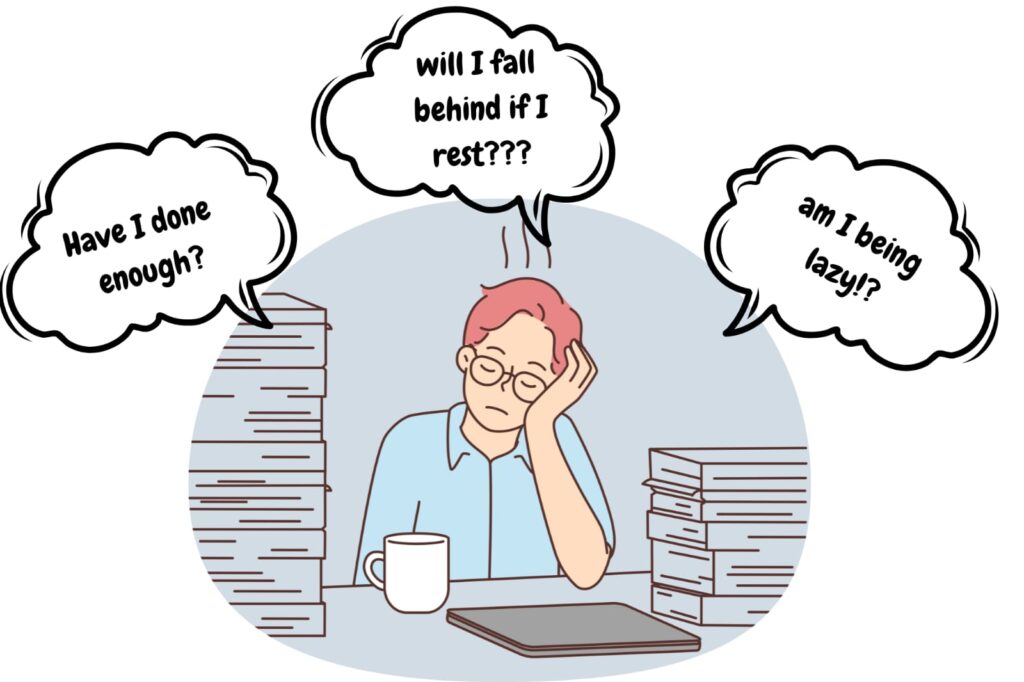
When was the last time you relaxed without feeling bad about it? Not lying down while your head runs through overthinking. Not pretending to rest while thinking about your future. It’s been a while, hasn’t it? Sometimes, even when you try to take a break, your mind says: “You’re wasting time, you should be doing something, and others are working harder than you.” And suddenly, it doesn’t feel right anymore.
So why does rest feel wrong — even when we know we need it?
Let’s explore this.
Where Did This Guilt Come From?
Since childhood, we were taught that being a good person meant being busy. Do more. Prove yourself. Earn your worth. So when we slow down — even for a moment — we feel guilty. Like we’re breaking some invisible rule.
But here’s the truth:
You don’t have to earn rest. You need it. Just like air. Just like food. Just like sleep. It’s not a reward — it’s part of being alive.
- The Lie of “Deserving” Rest
- Why Do We Keep Pushing?
- What Happens When You Don’t Rest
- What Does Real Rest Look Like?
- Rest Isn’t Laziness — It’s Wisdom
- Poem
- Rest Isn’t Weakness — It’s Strength
- When Rest Becomes a Trap
- Reclaim Your Right to Rest
The Lie of “Deserving” Rest
We grow up hearing: “Work hard, then rest.” “Get things done, then relax.” “Be productive, then you can take a break.” So we start treating rest like a prize. But here’s the problem: There’s always more to do. The list never ends. So we delay rest. Or worse — we take it and feel ashamed.
But think about it: Do you wait until your body “deserves” to breathe before you inhale? Of course not. Rest is the same. You need it to function — not as a bonus, but as a basic need.
Why Do We Keep Pushing?
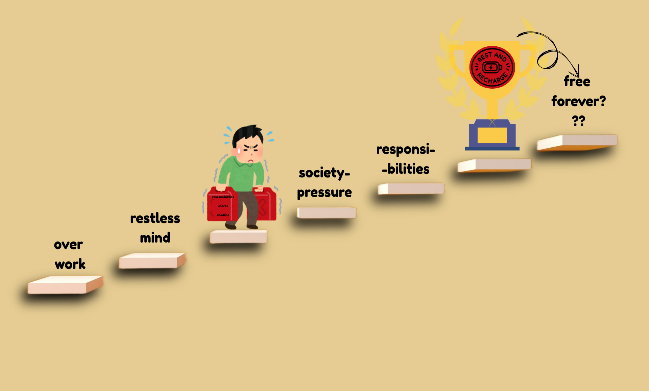
Because somewhere along the way, we started believing: If I’m not doing something, I must be falling behind. If I rest, others will go ahead. If I slow down, I will lose. This mindset isn’t built on truth — it’s built on fear. And fear shouldn’t be driving your life. Because fear is just an illusion.
What Happens When You Don’t Rest
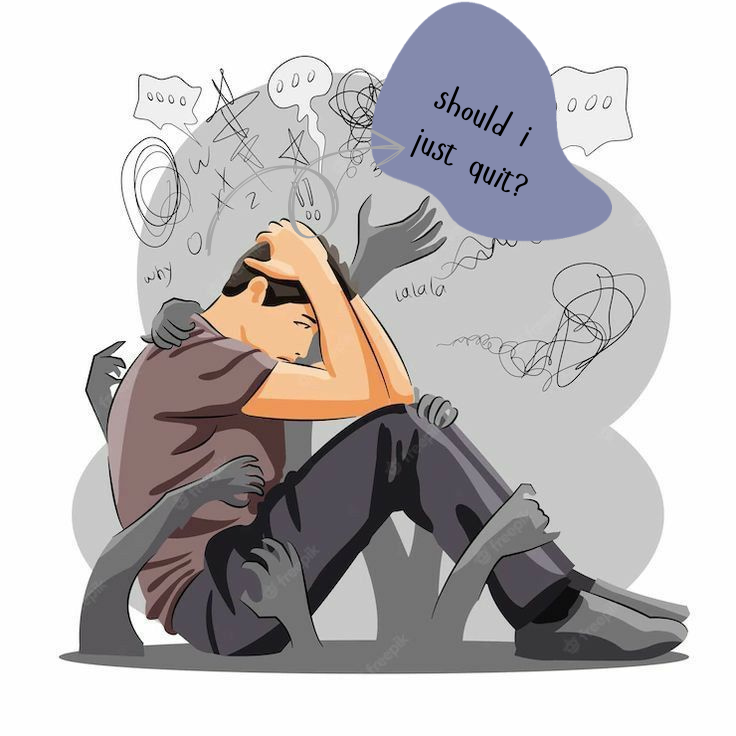
You may not crash right away. You’ll still wake up, go to class or work, smile, and say, “I’m fine.” But slowly, the signs begin to show.
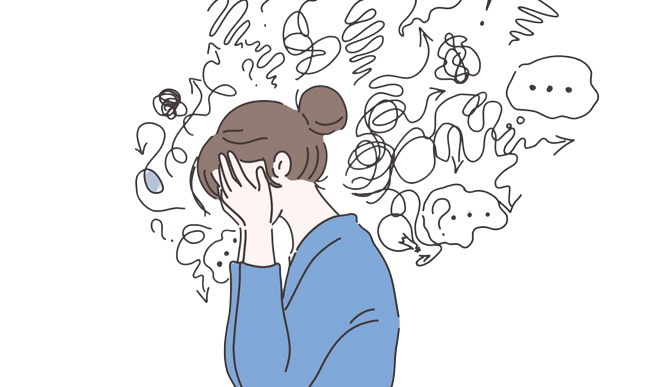
Everything starts to feel heavier. Your body aches, and your mind stays busy, even when you’re trying to sleep. You wake up tired, no matter how long you’ve been in bed. It gets harder to think, to care, to find joy in the things you once loved. You snap at people or feel like crying for no reason. You keep pushing yourself, telling yourself you’re fine—but deep down, you’re not.
You feel tired — even after sleeping.
You carry a weight that sleep can’t fix.
You stop laughing as much.
You forget what peace feels like.
– That’s burnout.
What Does Real Rest Look Like?
Rest isn’t just sleep. And it’s definitely not endless scrolling on your phone. Sitting still without guilt. Laughing with people you love. Taking a walk with no destination. Reading something just because you want to. You don’t need to earn that. You just need it.
Rest is more than just closing your eyes at night. It’s those quiet moments when you’re not rushing anywhere, not proving anything to anyone. It’s sitting on the floor with your thoughts and not feeling bad about it. It’s hearing your own laughter with someone you love and letting it echo without care. Rest is walking with no plan, just moving because it feels good. It’s picking up a book not to learn, not to grow, but just because it makes you happy. You don’t have to finish your work or hit a goal to deserve this. You’re human. You need rest because you’re alive, not because you earned it. And that’s more than okay.
Rest Isn’t Laziness — It’s Wisdom
Rest is wisdom because even the greatest minds knew its value. Albert Einstein, known for his genius, often took long walks just to think. He believed in stepping away from work to let ideas breathe. J.K. Rowling, the writer of Harry Potter, found her story during a moment of stillness on a train—doing nothing but watching the world pass by.
Swami Vivekananda spent hours in silence, reflecting and meditating, letting his mind and soul find clarity away from the noise. They didn’t all rest in the same way. But the truth is, they all stepped back. They all knew that creativity and strength don’t come from running endlessly. They come from space. From rest. From listening to the silence that speaks when everything else stops.
“Feel the Heart of This Topic: A Poem”
A little Break, A Lot More Life
A little break, a little more life, Days of chaos, nights of strife. Exams that stole my peaceful rest, Hands unsteady, a heart compressed. Then came laughter, pure and bright, Family faces, warm and light. Moments wrapped in love so deep, Memories made for me to keep. New beginnings, back to the grind, Festive joys and peace combined. Busy days and restless feet, Yet somehow, life felt sweet. I traveled far, I tried new things, Felt the weight that change brings. Some days shone, some days dimmed, Yet every moment taught me things. For a while, the world stood still, No words to write, no heart to fill. But today, something called me back, Like sunshine finding its own track. So here I am, with stories untold, With lessons learned, with dreams to hold. Sometimes a pause is all we need, To live, to breathe, to plant new seeds.
When Rest Becomes a Trap
Yes, rest is your right. But it comes with awareness. Maybe you’ve asked: “What if I rest too long? What if I never come back?” Here’s the difference: Real rest recharges you. Fake rest numbs you. Good rest lifts you up. Excess rest keeps you hiding. So take your pause. Breathe. Then rise — clearer, stronger, and steadier.
Rest Isn’t Weakness — It’s Strength
In a world shouting: “Go faster! Do more! Don’t stop!” Every time you pause to breathe, you’re saying: “I’m okay just as I am.” That’s not laziness. That’s strength — the kind that knows when to step back so it can leap forward.