


Feminism is often misunderstood as violence or hatred toward men. This assumption is fundamentally incorrect. Feminism does not teach women to hate men; rather, it advocates for equality of rights, opportunities, and dignity across society.
If someone asks, “Is feminism only for women?” the answer is no. Feminism is for everyone. It supports women in their fight for equal rights and also supports men by challenging the injustices imposed on them through toxic societal expectations—such as the belief that men should not cry, should not express emotions, and should exist solely as breadwinners.
At its core, feminism seeks to liberate both women and men from the harmful roles imposed by society.
Historically, feminism emerged as a response to systemic injustice against women—being denied education, employment, freedom of movement, and even the right to choose what they wear. Even today, in many parts of the world, women are judged based on their clothing, restricted from going out at night, and burdened with the responsibility of carrying the so-called “honor” or “reputation” of their families.
Why is this burden placed solely on women?
Why are men not held to the same standard?

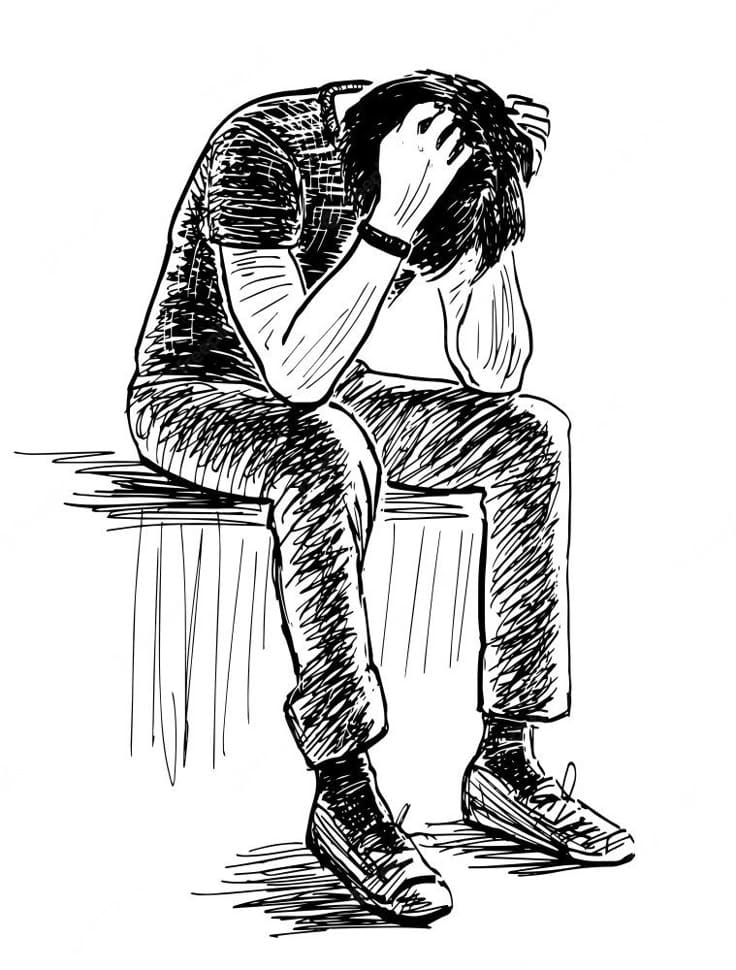
At the same time, patriarchal stereotypes deeply impact men. Men are taught that showing emotion is a sign of weakness. When a man cries, he is mocked, bullied, or questioned. He is expected to remain strong, even when he is breaking internally.
The question, then, is simple: why?
Why is a woman told she should not work, while a man is told he should not feel?
If a woman claims she does not support feminism, that decision should be made only after women are granted complete freedom—the freedom to work or not work, the freedom to make life choices without judgment. Similarly, men must be allowed the freedom to cry, to feel, and to exist as human beings without ridicule.
Only then will feminism no longer be necessary.
Feminism does not push men into weakness, nor does it place women in positions of dominance. It rejects rigid gender roles that dictate men must be providers and women must be caregivers. Instead, it promotes healthier relationships grounded in respect, consent, empathy, and equality—not control or dominance.
True feminism does not seek revenge. It does not envision a future where men endure the injustices women once faced. Such an outcome would only perpetuate the cycle of inequality. Feminism seeks balance, peace, and shared humanity.
A society cannot progress when one gender is oppressed and the other is emotionally restricted.
True feminism is empowerment, not entitlement.
Voice, not violence.
Equality, not superiority.
A woman or a man who believes in equal rights, equal opportunities, and equal respect for all genders truly represents the essence of feminism.